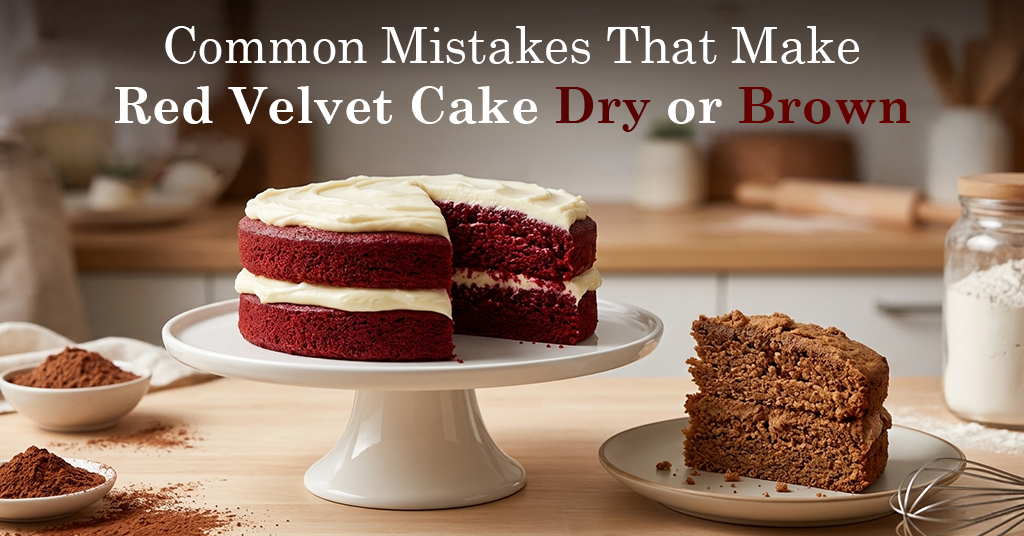
There is something deeply personal about making a red velvet cake for the first time.
It feels like a statement. The deep crimson layers, the tender crumb, the slight tang from buttermilk, it is a cake that carries a certain drama, a certain confidence. So when you pull it out of the oven and it looks more brown than red, or you slice into it and find a dry, crumbly interior instead of that soft, velvety texture you were hoping for the disappointment is real. It settles quietly in your chest.
Most bakers in that moment blame themselves. They think they are not skilled enough, not ready enough, not precise enough.
But the truth is gentler than that. Red velvet is one of those cakes that punishes small errors more visibly than others. Not because it is impossible, but because it is specific. Understanding what went wrong and why is exactly where the learning begins. At Professional Baking Classes in Chennai, this is one of the most common conversations we have, and it shapes better bakers every single time.
What Makes Red Velvet Cake Dry and Crumbly
The most frequent reason a red velvet cake turns dry is too much flour or too little fat.
When you add even slightly more flour than the recipe asks for, the structure of the cake becomes tight. The crumb loses its tenderness. And because red velvet batter is already on the thicker side compared to a standard vanilla cake, that extra density compounds quickly. The result is a cake that feels like it is holding itself too rigidly, dry, crumbly, disappointing.
Oil is what carries moisture in red velvet. Unlike butter-based cakes, a well-made red velvet uses oil deliberately because oil stays liquid at room temperature, keeping every bite soft. If you reduce the oil to cut richness, or accidentally measure it short, the cake will tell you. Every time.
Overbaking does the same damage. Even five extra minutes in a hot oven pulls moisture out of a cake that cannot afford to lose it.
Why Does Red Velvet Cake Turn Brown Instead of Red
This one breaks hearts, and it happens more than you would think.
The red colour in a red velvet cake is not just about food colouring. It involves chemistry. When cocoa powder reacts with acidic ingredients buttermilk, vinegar, it can produce a reddish hue naturally. But the moment you add baking soda too early, or let the batter sit too long before baking, that reaction shifts. The colour muddles. The red fades toward brown.
Heat also changes colour. A high oven temperature pushes the Maillard reaction the same browning process that gives bread its crust and your beautiful red batter darkens before it has a chance to set. Use gel food colouring rather than liquid. Add your baking soda at the very last step. Get the batter into the oven without delay. These three habits protect the colour you worked for.
How to Keep Red Velvet Cake Moist and Soft
Buttermilk is not optional. It is the soul of the recipe.
The acidity in buttermilk does two things. It tenderises the gluten structure, giving the crumb that soft, almost delicate quality. And it activates the leavening agents in a way that builds lift without toughness. If you substitute regular milk, the cake changes character entirely. It becomes denser, less nuanced, and noticeably drier.
Room temperature ingredients matter enormously here. Cold eggs and cold buttermilk don’t emulsify properly into the batter. The mixture stays slightly broken, uneven, and that unevenness bakes into the final texture. Give your ingredients time to come to room temperature before you begin. It is a small patience that evolves every bake.
Why Is My Red Velvet Cake Not Fluffy and Dense
Density in a red velvet almost always comes from one of two places under-creaming or wrong leavening ratios.
When you cream the fat and sugar together, you are building air into the batter. That air is what makes the cake light. If you stop creaming too early, there isn’t enough air incorporated to give the crumb lift. The cake bakes dense and heavy before it even reaches the oven.
Leavening balance matters equally. Too much baking soda leaves a soapy, heavy crumb. Too little and the cake doesn’t rise sufficiently. The ratio in red velvet is deliberate and specific follow it exactly.
How to Tell If You Overmixed Cake Batter
Overmixed batter has a particular look. It becomes smooth in a way that feels almost rubbery, slightly elastic, slightly tight. The air you built during creaming gets knocked out. The gluten in the flour develops beyond what the recipe intends, giving you a cake that is dense, chewy, and nothing like soft.
Once you add flour to a cake batter, mix only until the dry streaks disappear. No more. That restraint is one of the quieter skills in baking and once you feel the difference, you never go back.
The Cake Was Always Telling You Something
Here is what we believe at Baking Class in Chennai, every failed bake is a conversation, not a verdict.
A dry cake is telling you something about your flour measurement, your oven temperature, or your baking time. A brown cake is asking you to look at your chemistry, your timing, your heat. A dense cake is pointing back to your mixing process. None of these are failures. They are information. And information, when you know how to read it, builds real skill.
Red velvet is not a forgiving cake. But it is an honest one. It shows you exactly where your process needs attention and that honesty is a gift to any baker willing to listen.
Learn It Once, Learn It Right
If you have been going back and forth between recipes, trying to figure out where your red velvet keeps going wrong, there is a better way to spend that energy.
Our Diploma in Bakery and Patisserie Arts is built for exactly this kind of learner someone who wants to stop guessing and start understanding. We don’t just teach recipes. We teach the reasoning behind every step, so that when something goes wrong, you already know why.
And if you are looking for a place to begin that journey closer to home, our baking classes in Anna Nagar offer that warm, hands-on foundation in a space designed entirely around your growth as a baker.
The red velvet you imagined at the beginning of this? It is absolutely within reach. You just need to understand what it is asking of you.
